

Jharkhand is well-known for its distinctive bamboo goods since it is a natural bamboo reservoir. Bamboo groves bordering heavily populated forests can be seen on the Chhota Nagpur Plateau. Since ancient times, the tribal people of Jharkhand have been employing bamboo to manufacture everyday objects like baskets, vases, fishing gear, and other beautiful items. Jharkhand's bamboo craft is more than a craft; it's a cultural cornerstone. Bamboo becomes more than a material, woven into the fabric of tribal life. It's a source of income and a sustainable way of life. The artisans' skills are a testament to their ingenuity, and their art form is gaining recognition for its beauty and eco-friendly qualities. Shops overflowing with bamboo mats offer tourists a piece of this tradition.
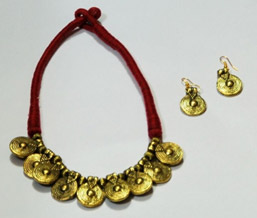
Jharkhand's tribal jewellery isn't just an aesthetic choice; it's a vibrant language whispering tales of identity, social status, and a deep connection with nature. Unlike mass-produced ornaments, these handcrafted pieces, often made from silver, brass, and colourful beads, hold significant cultural weight.For instance, elaborate nose rings (nath) traditionally signify a married woman among the Munda and Santhal tribes. Conversely, young Oraon girls might wear large silver earrings (jhums) to announce their availability for marriage. This practice, however, is facing criticism for potentially commodifying women.
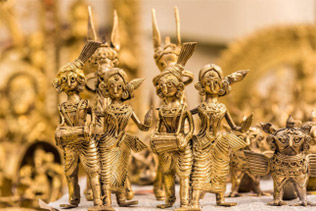
Dhokra craft in Jharkhand becomes more than just ornamentation; it becomes a potent statement of tribal identity and beliefs. Every Dhokra sculpture is a work of art full of symbolism derived from spiritual veneration, nature, and folklore, all of which beg to be discovered. Characters such as elegant antelopes and sage owls are created, and the centuries-old lost-wax method is displayed with representations of gods and ancestors who are venerated as guardians. Dhokra jewellery is not only a decorative item but also a lucky charm due to its intricate patterns and animal motifs. These works of art are more than just artwork; they are a representation of the tribal spirit of Jharkhand, interwoven into the very fabric of their customs, festivals, and everyday existence.
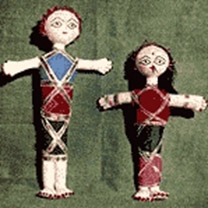
The hilly regions of Jharkhand, particularly around Ranchi and Toupadana, are a treasure trove of unique handcrafted toys. Local materials like wood, palm leaves, and jute breathe life into these charming creations. A vibrant palette of bright colours and canary paint brings the toys to life, while palm leaf puppets boast a distinctive look with silver paint, pink dots, and finger-painted details. Themes range from the captivating - nature-inspired figures and Hindu deities like Lord Rama and Lord Ganesha - to the whimsical - abstract human figures with angular lines and no limbs, and toys with wheels and strings. This delightful variety is a testament to the creativity and rich cultural heritage woven into the very fabric of Jharkhand's traditional toys.
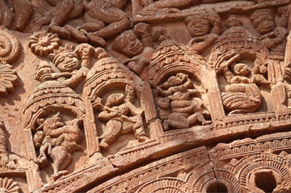
Jharkhand's tribal communities have long practised the art of stone carving, adorning stones with beautiful designs that speak volumes about their culture. These intricate artworks are not just popular souvenirs, but act as windows into the lives of the region's tribal people. Each piece tells a story, reflecting their traditions and way of life. These carvings, which might depict deities like Durga or Shiva, or portray scenes from everyday life like sowing seeds or hunting, become more than souvenirs; they become fragments of a fading art form. By understanding and appreciating Jharkhand's stone carving tradition, we can help ensure its survival for generations to come.
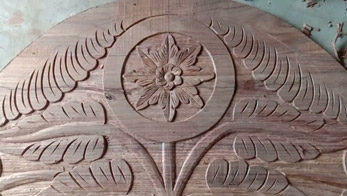
The lush surroundings of Jharkhand foster a thriving woodworking culture, where the crafts of indigenous tribes such as the Mundas and Santhals serve purposes beyond utilitarian ones. Commonplace items like spoons and furniture are carved with elaborate designs, such as geometric patterns, stylized creatures, or even natural scenery. These patterns serve as more than just ornamentation; they are a kind of symbolic language, where tigers on a farmer's tool signify power and peacocks on a woman's comb indicate beauty.
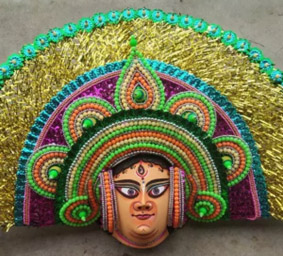
Paper masks by Saraikela Chhau are a sight to behold, brimming with colours, expressions, and decorations. These mythologically themed masks are made by skilled artisans using traditional papier-mâché techniques for use by Saraikela Chhau performers in theatre productions and cultural celebrations such as Durga puja.The process begins with a base of cane or wood, upon which layers of clay are meticulously shaped into a rough mould. Once dry, the clay form is separated and strengthened with paper-mâché and cloth strips. After drying for several days, the mask comes alive with details – jute and wool create facial features like hair, while vibrant paint and other embellishments transform it into the final character. This intricate process, passed down for generations, is a testament to the skill of the Saraikela Chhau mask makers. The intense passion displayed by the Saraikela Chhau dancers is reflected in the vividness of these masks.
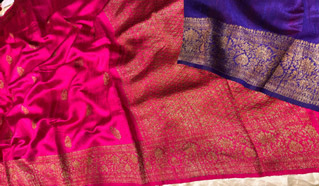
Mostly in the Kharsawan-Kuchai region of Jharkhand, the organic and resilient Kuchai, Kosa, or Tussar silk is made. Approximately 40% of India's tussar silk is produced in Jharkhand. The harvesting of millions of wide-winged moth cocoons yields this silk, which is mostly used to make sarees. This is one of the main reasons why so many customers find it desirable. To preserve moral principles, the state must, therefore, continue to be vigilant while providing a respectable living and just compensation to individuals engaged in the manufacturing process.
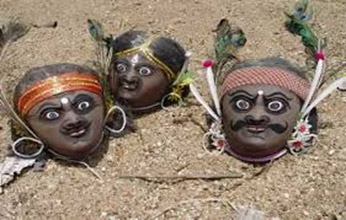
Artisans create a huge variety of useful objects, such as ceremonial water vessels, clay cups, long-necked vessels and pots. There is a large cauldron that is very famous among the locals for making "mahua wine" (it is a locally made liquor) and local beer made from rice.The pottery tradition of Jharkhand is largely carried on by Jharkhand's community of potters known as Kumhars. People of this community create different items from clay and the exclusive pieces are decorated with colours and patterns.Jharkhand’s clay crafts are also preferred for making toys and images closely associated with seasonal festivals and other religious ceremonies. Artisans create a variety of clay figurines that are given full character through the use of bright colours. Clay elephants are very famous among other articles and it is widely believed that these elephant figures are kept on roofs because they represent marriage.